
Working in agriculture since 2006

Agrecir Global — Agriculture · Regenerative · CircularGlobal Start a project
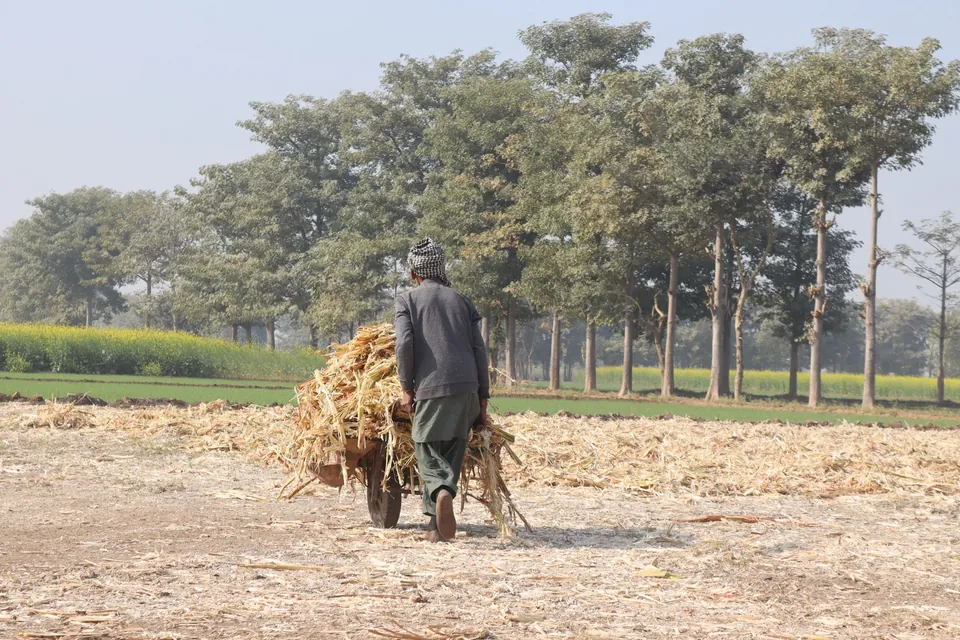
A farmer pushing a cart of crop remnants across a sunlit field

Approach

Circular agriculture: keeping value in the loop

Farmer collecting crop residue for compost

01 / 03

Published by Agrecir Global · Updated October 2026

Circular agriculture keeps materials and value in use for as long as possible. Residues and by-products go back into the farm, fewer inputs come in from outside, and more of the crop's value stays with the people who grow it.

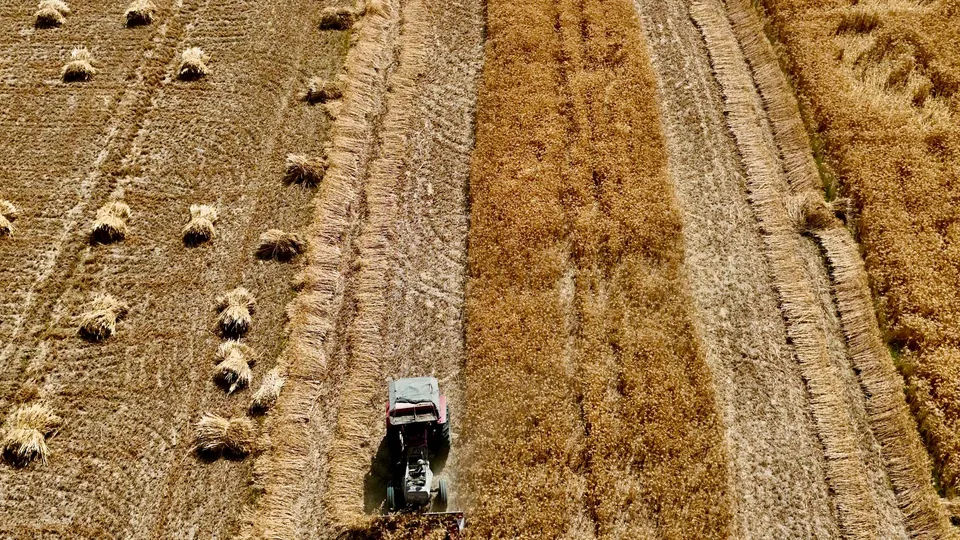
Wheat stubble after harvest, a crop residue that can go back into the soil

Two loops

01

The material loop: what goes back to the land

Crop residues, manure and organic waste become compost and soil cover instead of being burned or dumped. Farms that recycle nutrients buy less fertiliser and build better soil. This loop overlaps with regenerative practice.
02

The value loop: what stays with the farmer

Raw produce sold at harvest earns the least. Sorting, processing, certifying and selling directly to buyers who value the crop all keep more of its worth in the farming community.

How we put it into practice

  • Compost and residue useIn our organic and regenerative programmes, farmers learn to turn crop residues and manure into compost instead of burning or dumping them
  • Processing close to the farmDried mango pulp with Tahir Foods, Multan, from fruit grown by 60 farmers
  • Organising supplyThe Good Dates Platform, 610 date growers working towards regenerative certification from 2026
  • Linking growers to buyersCertified cotton to certified ginners; certified produce to buyers looking for it
  • Direct marketsShorter chains between grower and buyer
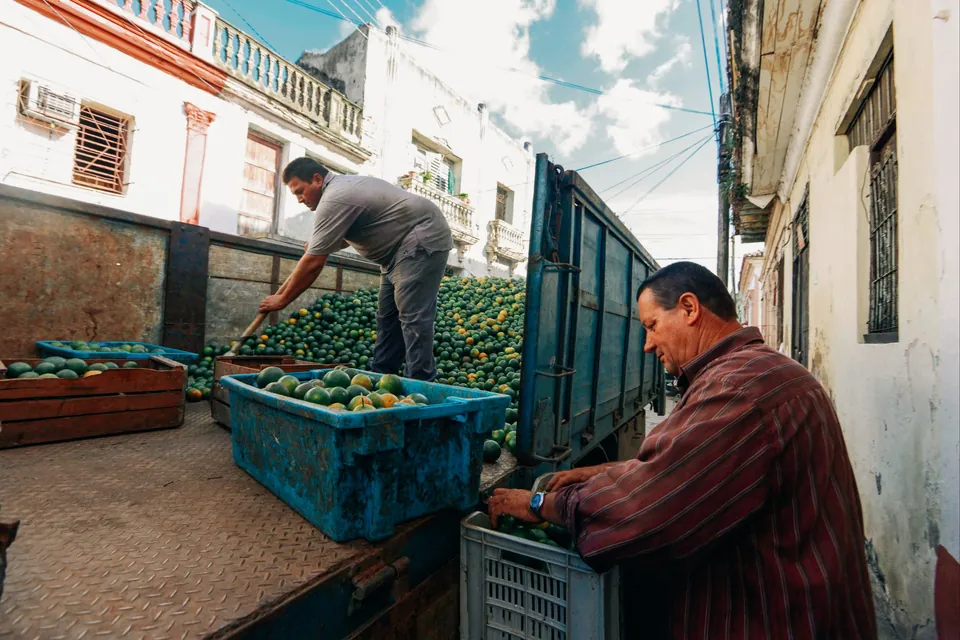
Fruit vendor at his stall in Lahore

Beyond agriculture

Circularity applies to how we all consume, not only how we farm. Using less, using things longer and wasting less food all reduce the pressure on the land that feeds and clothes us.

Compost pile made from crop and food residues

Questions

Is circular agriculture the same as regenerative agriculture?

They overlap. Regenerative agriculture focuses on what happens to soil, water and biodiversity. Circular agriculture focuses on flows: keeping nutrients, materials and value in use. Composting crop residues is both. Processing mangoes near the orchard is circular, not regenerative.

Does circular mean no outside inputs at all?

No. It means fewer of them, and using what the farm already produces first.

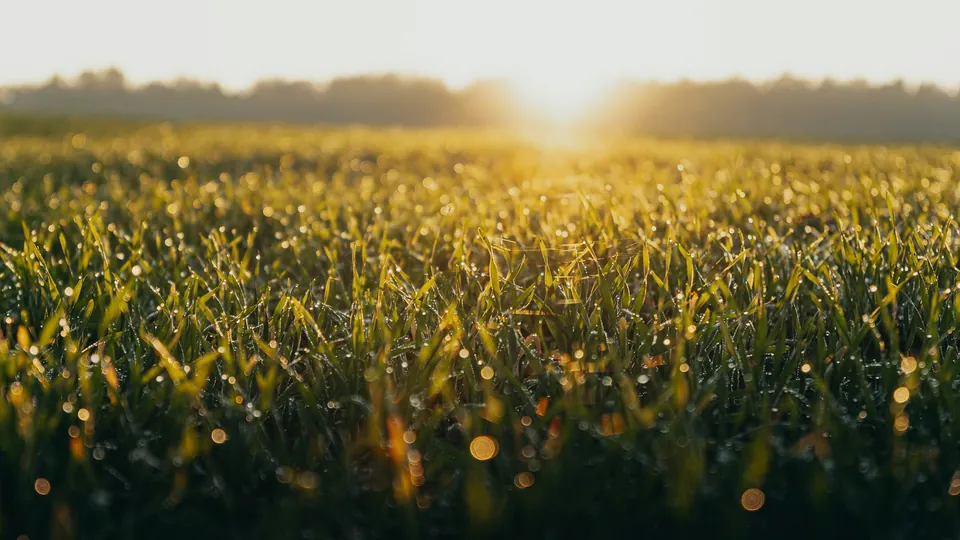
Sunrise over a dew-covered field

Need a farm ready for GlobalG.A.P. or regenerative certification?

We'll start with a visit to see where you stand.