

About
Working in agriculture since 2006
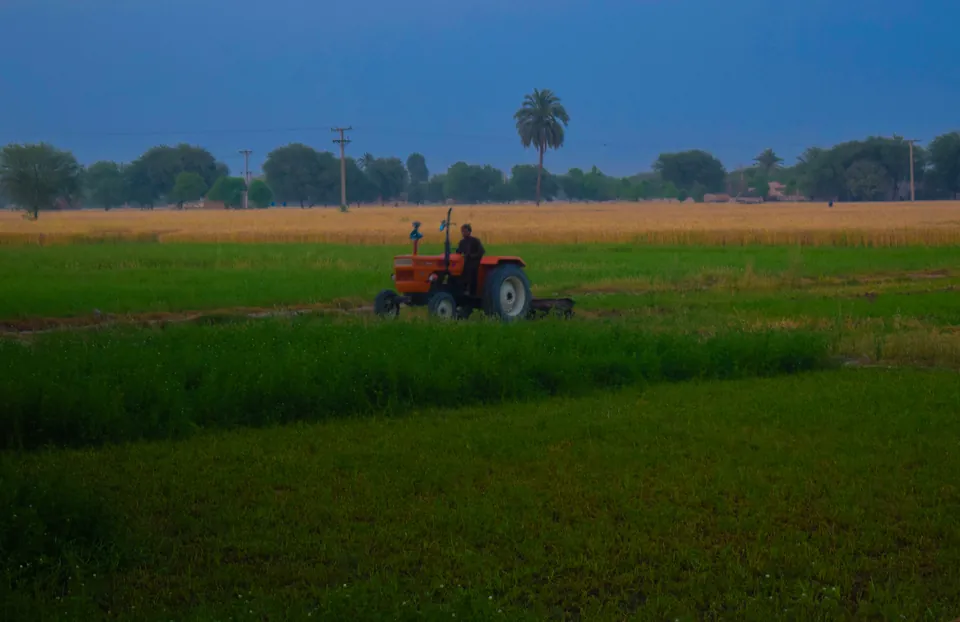
Agrecir Global began in 2006, in Pakistani agriculture. The idea behind it hasn't changed: farmers and the industries that buy from them both do better when the farm is managed well and the records are honest. Over time that idea grew into an international company. Agrecir Global now runs organic and regenerative programmes for textile groups, certification and value-addition projects for food businesses, and support programmes for farming families, in eight countries.
Over time that idea grew into a company. Agrecir Global now runs organic and regenerative programmes for textile groups, certification and value-addition projects for food businesses, and support programmes for farming families. It has offices and partners abroad.
Recent milestones
- 2006
Agrecir Global begins its work in agriculture in Pakistan, the start of what is now an international company
- October 2024
Our founder speaks at the Sustainable Cotton Conference Pakistan on World Cotton Day
- April 2025
Agrecir Global takes part in the Organic Cotton Accelerator's Pakistan season kickoff
- 2025
Regenerative certification work begins on a 300-acre mango orchard
- 2026
The organic cotton field team in Lasbela (Bela), Balochistan, grows
- 2026
The Good Dates Platform starts, bringing 610 date growers towards regenerative certification
- 2026
33,500 acres of cotton now in organic and regenerative programmes
A line we come back to
"Failures start from a bad soil. Good soils are certificates of success."
Dr Khushnood Ahmed Siddiqui (1937–2009) was a Pakistani plant geneticist. He headed plant genetics at the Nuclear Institute of Agriculture, Tando Jam, and was its director from 1992 to 1997. His teams developed wheat varieties including Jauhar-78, Sarsabz and Kiran-95. His point about soil is the starting point of our regenerative work.
Where we're going
Farming that rebuilds soil, and value that stays with the people who grow the crop.

Tell us what you need to grow, certify or source.
Share the crop, the region and the standard your buyer asks for. We'll come back with how we'd approach it.